In general, it's recommend that a house payment is under 32% of your gross monthly income. This includes the mortgage payment, maintenance costs and property taxes. For example, if your monthly income is $5,000, or $60,000 a year, your mortgage payment should not exceed $1,500 each month. Use a mortgage calculator to find out more about how much you can borrow and what your monthly payments will be.
When you apply for a mortgage, the lender looks at a lot of factors beyond your income to determine the amount they will lend you. They will look at your Gross Debt Service (GDS) and Total Debt Service (TDS) ratios. These ratios determine how easily your income can support your debts and other financial obligations.
You may have also heard about the need to pass a mortgage stress test.
The Canadian Government requires borrowers to pass this stress test to prove you can afford your mortgage payments at a qualifying interest rate, which is typically higher than the actual interest rate of your mortgage and will likely reduce the mortgage amount you will qualify for. That’s because your ability to make repayments will be measured against the qualifying rate set by the Bank of Canada and not the rate charged by your lender. Anyone looking to purchase a new purchase, refinance a home, switch to a new lender, or take out a home equity line of credit will need to pass the stress test.
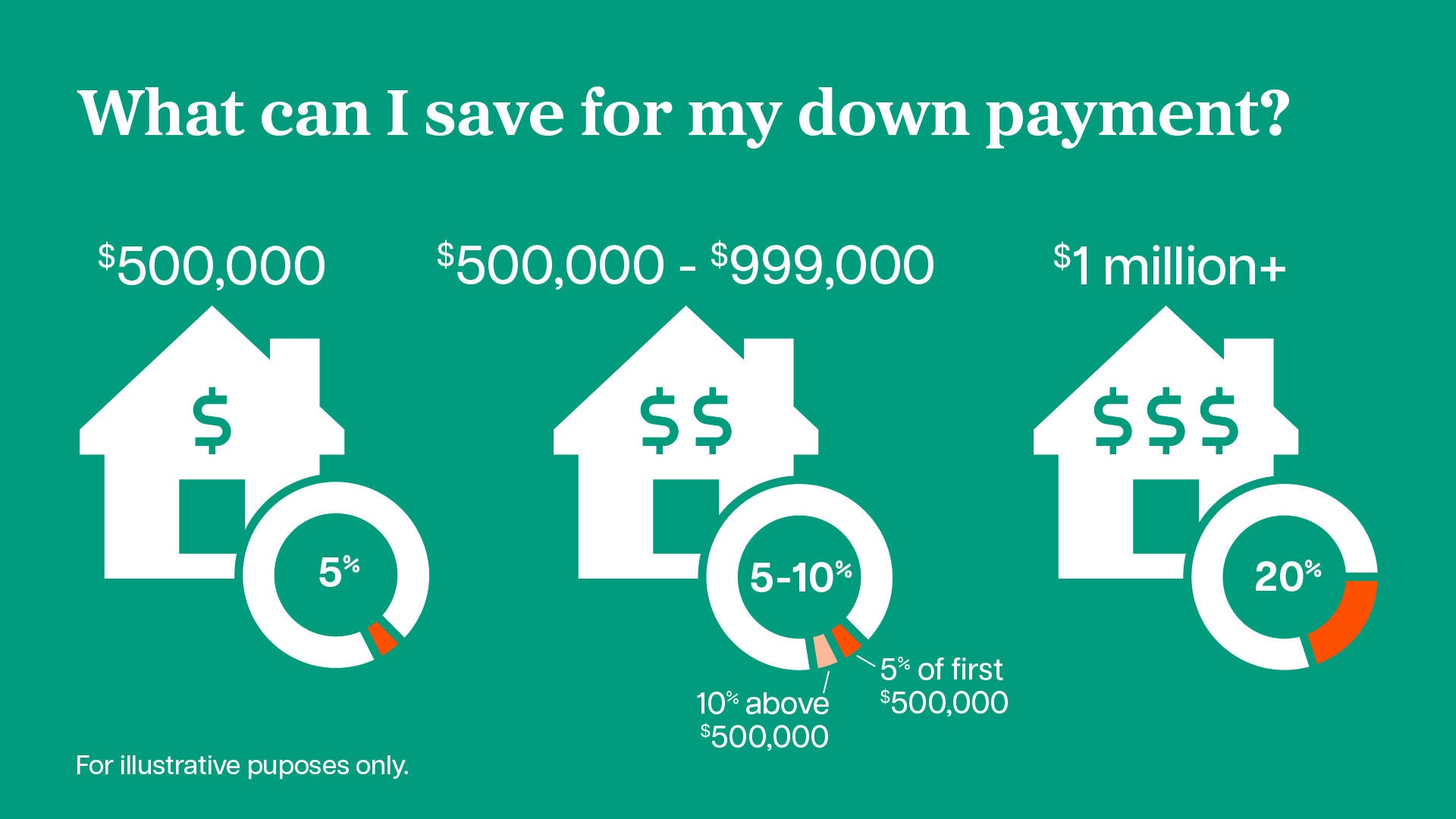
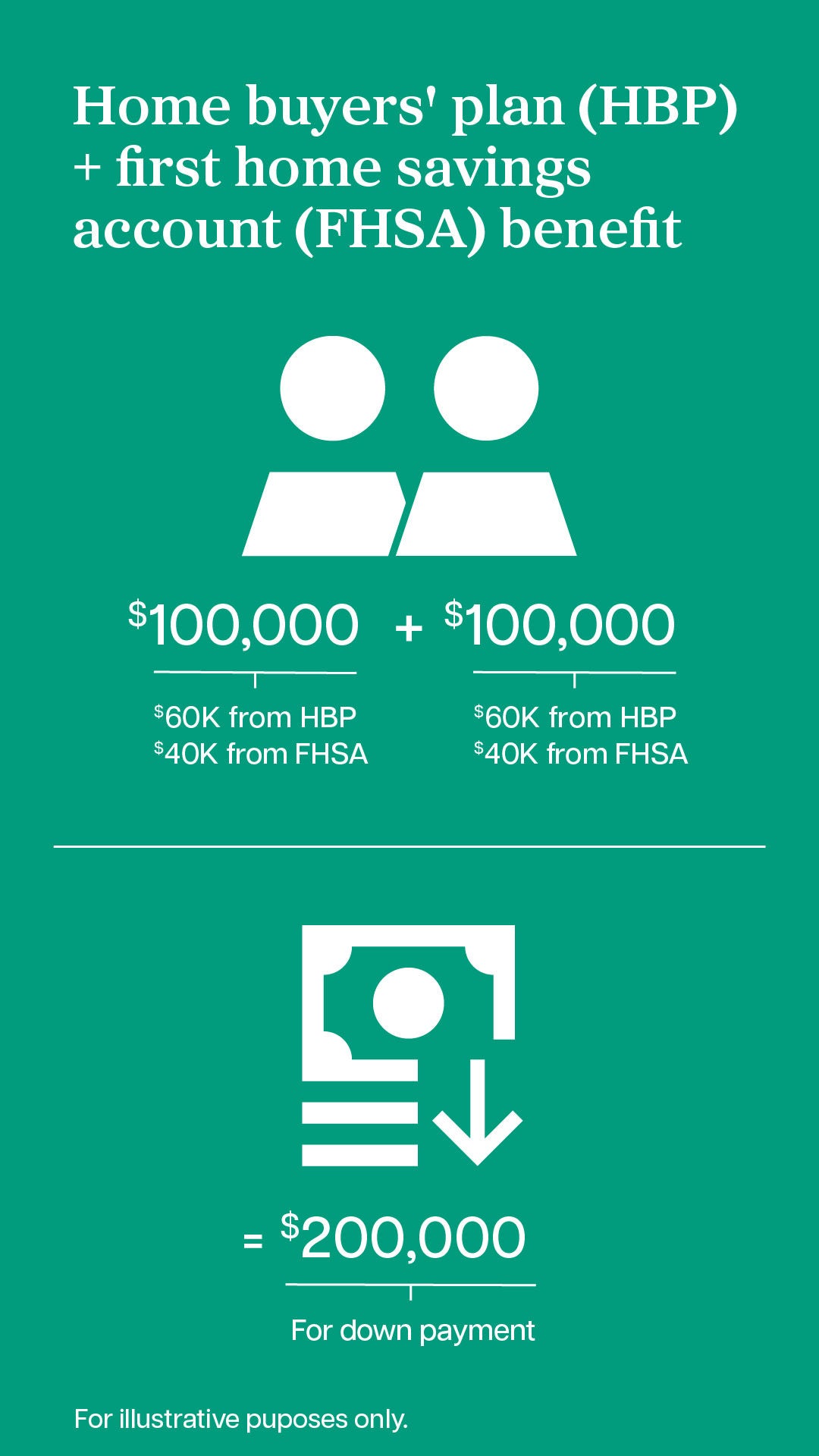
However, the amount you can afford to carry each month is only part of the equation. A big step to owning a home is having a down payment.