Do you know what your account balance is right now? You should. One easy way to remember to check your accounts is by pairing it with something else that you do every day – this is called habit stacking. When you’re habit stacking you’re essentially pairing a new habit with something already in your daily routine, making it much more likely to remember to do.
Try this habit-stacking idea: When you log in to start your workday and you’re waiting for systems to load, use this time to check your accounts.
If you don’t already have one, now is the time to put pen to paper (or finger to keyboard) and create a budget. A simple budgeting spreadsheet or a budgeting app can go a long way in helping you track your expenses. Essentially, it’ll outline your sources of income, such as salary and any side hustles, along with your monthly expenses divided into categories like transportation, food, housing, bills and personal items.
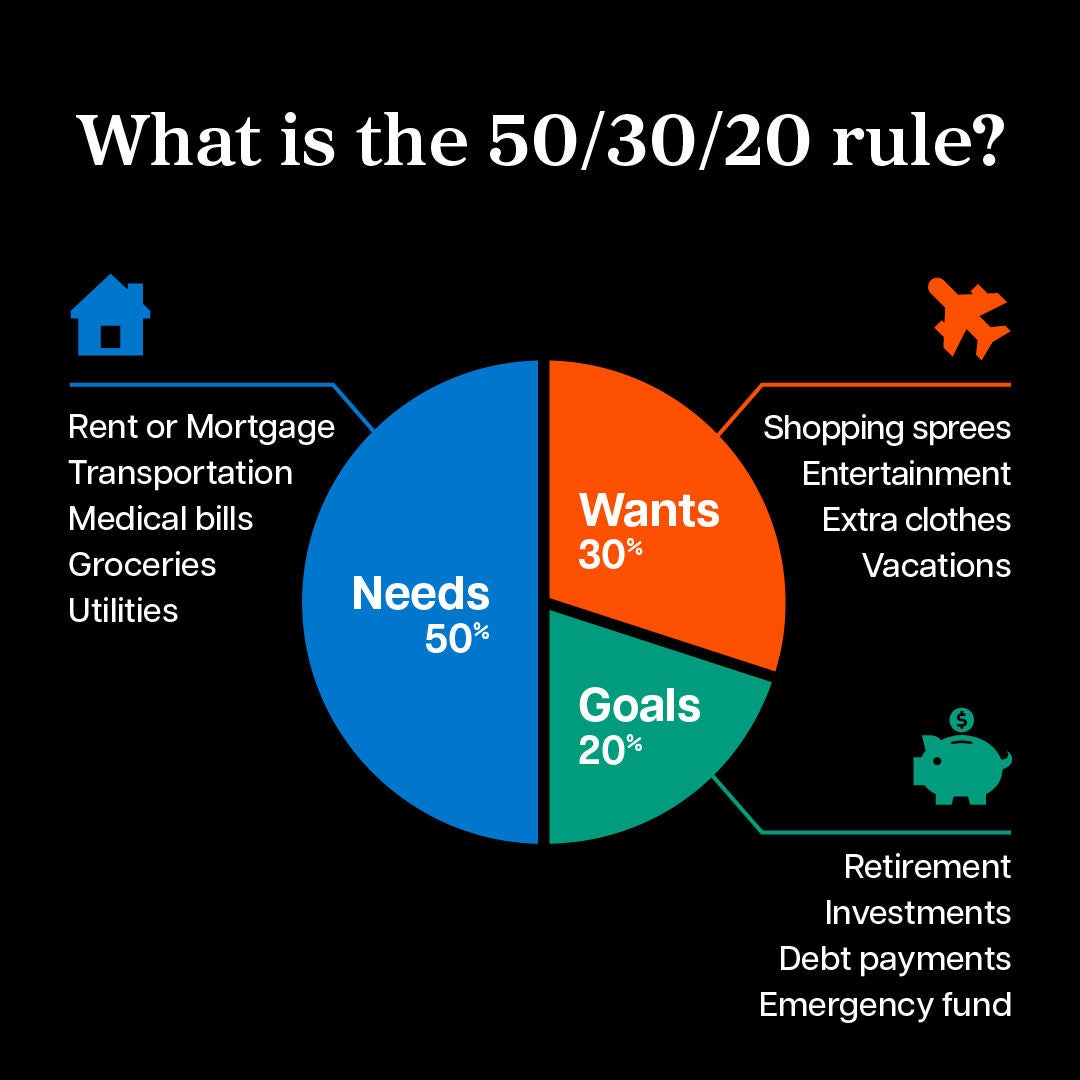
When it comes to budgeting strategies, the 50/30/20 method is highly popular. With it, you’ll allocate 50% of your income for essential purchases (needs), 30% for discretionary spending (wants) or non-essential items, and 20% for your savings (financial goals).
Not sure if the 50/30/20 method is right for you? Here are four different budget methods that are equally as successful.